
Deposition Subpoena for Personal Appearance
A deposition subpoena for personal appearance is a necessary legal document compelling a witness to appear and testify at a deposition for a case. This sworn testimony is given outside the courtroom and discusses relevant information to determine the witness’s credibility.
The deposition serves several important purposes in the legal discovery process, like gaining information, holding witnesses accountable, preserving testimony, and recalling details. If you have been served with a deposition subpoena, you must take it seriously and respond accordingly. Failure to comply can lead to legal consequences, such as contempt of court. Therefore, you need to seek professional services of process from an experienced server who can help ensure the subpoena is properly served.
Get in touch with On-Call Legal Process Servers to get their expert assistance with serving subpoenas, managing depositions and handling other legal documents to make sure that your case moves forward without any issue. Book a call with us today to get a free consultation from our agent and make your legal processes go smoothly!
The blog post discusses the concept of a deposition subpoena for personal appearance. It also focuses on its significance in the legal process, how it functions, and why it is essential for gathering testimony and information.
What Is a Deposition Subpoena for Personal Appearance?

A deposition subpoena for personal appearance is a legal document that requires a person to appear in a certain place and answer questions under oath. This process usually occurs outside the courtroom, often in the lawyer’s office. The main function of this type of subpoena is to gather relevant and important information from the witness, which can help in the legal case.
This type of subpoena is different from others, such as those seeking documents. A document subpoena compels a person to produce certain papers or records, while a deposition subpoena demands that a person present themselves physically and testify.
Why Is It Important?
A deposition subpoena is a critical tool in the case. It plays a huge role in the legal process, allowing lawyers to gather evidence and gain a better perspective of the events in a given case. Any person who fails to adhere to this subpoena may face serious consequences, including fines or jail time.
Who Can Be Subpoenaed?
Various individuals can be subpoenaed for a deposition. This could involve anyone who knows the case, such as the witnesses. It can also include those with specialized knowledge to offer as the expert witnesses and those with an interest in the case, aka the parties directly involved in the lawsuit.
The person to whom the subpoena is issued has legal rights; for instance, they may object to the subpoena if they view it as unfair or may appeal to the court for changes on the terms of the subpoena.
When Is a Deposition Subpoena Issued?
A deposition subpoena is usually issued at the discovery stage of a legal proceeding. This is when both parties are gathering information and preparing for the trial. The most common reason a deposition subpoena can be issued is to obtain testimony about an event, clarify facts, or understand the expert’s opinion, which may affect the case outcome.
Legal Requirements for Issuing a Deposition Subpoena
In California, the Code of Civil Procedure grants the right to issue subpoenas for depositions. To be more precise, Section 2025.010 specifies the standards for oral depositions, while Section 2020.010 permits the issuing of subpoenas to force participation in a deposition.
- Section 2025.010 outlines the general procedures and standards for conducting oral depositions. It includes guidelines on when and how depositions can be scheduled, who can be deposed, and the overall process, ensuring that depositions are conducted fairly and efficiently.
- Section 2020.010 authorizes the issuance of subpoenas to compel individuals or entities to participate in a deposition. This section provides the legal framework for serving subpoenas, detailing who may be subpoenaed, how subpoenas must be served, and the obligations of those who receive them, ensuring their compliance with the deposition process.
These statutes enable parties to a lawsuit to obtain testimony and evidence through the deposition process. The witness must receive the subpoena properly and include the deponent’s name and the deposition’s time and location. A legitimate deposition subpoena may carry penalties issued by the court for noncompliance.
The Process of Issuing a Deposition Subpoena for Personal Appearance

Several key steps are involved when issuing a deposition subpoena for personal appearance to ensure it is legally valid and effective.
1. Drafting the Deposition Subpoena
The initial phase in drafting a subpoena is preparing the subpoena, which must contain details like date, time, and location. It should also contain the obligations of the person being subpoenaed and state that the witness is required to appear and provide testimony.
2. Obtaining Court Approval (If Necessary)
Depending on the circumstances, the court’s permission must be sought before issuing the subpoena. The court’s function here is to ensure that the subpoena meets all legal requirements and is not overly burdensome.
3. Issuing the Subpoena
First, prepare the document containing basic information such as the date, time, and place to issue a subpoena. After that, if necessary, file it with the court. Make sure that all the data provided is correct to prevent unnecessary problems. Finally, the judge’s or magistrate’s signature must be attached, making the subpoena legal and proper for the witness.
It is very important that the right information is obtained when a subpoena is issued. Relevantly prepare the document, properly submit it, and ensure that it is error-free.
4. Serving the Subpoena
Subpoena service is a crucial stage in any case, and process servers, the police, or attorneys can serve it. Process servers are normally preferred because they mainly deliver legal documents and are fully aware of the legal formalities regarding service.
Some service methods include personally delivering the subpoena to the witness or serving it through certified mail. Using a process server can help ensure compliance with legal requirements, reducing the risk of challenges to the subpoena’s validity. Contact On-Call Legal Process Servers today to get the best legal support regarding serving subpoenas.
5. What Happens After the Subpoena Is Served?
The witness must follow the subpoena after it has been served. They might protest, saying the subpoena is overly burdensome or broad, in which case the problems could be resolved by negotiation or the court getting involved.
Responding to a Deposition Subpoena for Personal Appearance

You must legally comply with a deposition subpoena for personal appearance by showing up to testify under oath on the designated day, time, and place. On the other hand, you might challenge the subpoena for various reasons, including privilege, lack of relevancy, or excessive burden.
To object, raise your particular complaints and promptly tell the issuing party in writing. If your arguments are overruled, the court can force you to testify. Failure to comply with a valid subpoena can result in contempt of court sanctions. Consult an attorney for guidance on properly responding to a deposition subpoena.
The Role of a Process Server in Serving a Deposition Subpoena
Process servers are trained professionals who understand the legal requirements and can overcome challenges with serving papers. Their role in serving a deposition subpoena is important because they ensure that the legal documents are delivered correctly and in compliance with the law. Service of the process also involves notifying people about their involvement in legal proceedings.
If you want to know how to hire a process server, then you’ll be glad to know the process is extremely simple. Look for a reputable company or individuals with experience in legal document delivery. To find a qualified process server for legal document delivery, consider these tips:
- Check Credentials: Ensure the process server is licensed and bonded, which is required in many states, including California.
- Experience: Look for servers with a proven track record in handling subpoenas and other legal documents, particularly those familiar with local laws and regulations.
- Reviews and References: Read online reviews or ask for references from legal professionals or past clients to gauge their reliability and professionalism.
- Membership in Associations: Consider process servers who are members of professional organizations like the National Association of Professional Process Servers (NAPPS), which often indicates a commitment to ethical standards.
- Availability and Communication: Choose a readily available server that communicates clearly and provides regular updates on the status of your delivery.
Preparing for a Deposition After Receiving a Subpoena
The next question that arises is how to prepare for a deposition. Well, there are a few important steps to remember when preparing for a deposition after receiving a subpoena. Firstly, you must ensure that the subpoena is for you and check the date and location for accuracy. Collect any requested documents and review the case details to refresh your memory.
It is important to understand the deposition process, as your testimony will be recorded, implying that you must be truthful. You must consult an attorney for guidance on how to prepare effectively for a deposition.
What to Expect During a Deposition
You must expect everything to be formal and serious. A deposition usually occurs in a formal setting, such as a lawyer’s office. The people you can expect to see there would normally include a court reporter, the deponent, and lawyers from both sides. Moreover, the procedures include responding to inquiries under oath, and the conversation is taped for future use.
Tips for Preparing Your Testimony
You can benefit from the following tips when you prepare for your testimony.
Tip #1: Go through the documents related to the case and try to understand them.
Tip #2: Consult with a legal consultant and clarify any legal questions or queries.
Tip #3: Practice your answers to build confidence and ensure clarity during the deposition.
Tip #4: Stay calm and composed and provide truthful answers. If you don’t know some answers, you may say so.
Tip #5: Pay attention to each question before responding to ensure that your answers are always relevant.
Tip #6: Answer to the point; don’t provide additional information unless prompted.
What Happens If the Subpoena Isn’t Served Correctly?
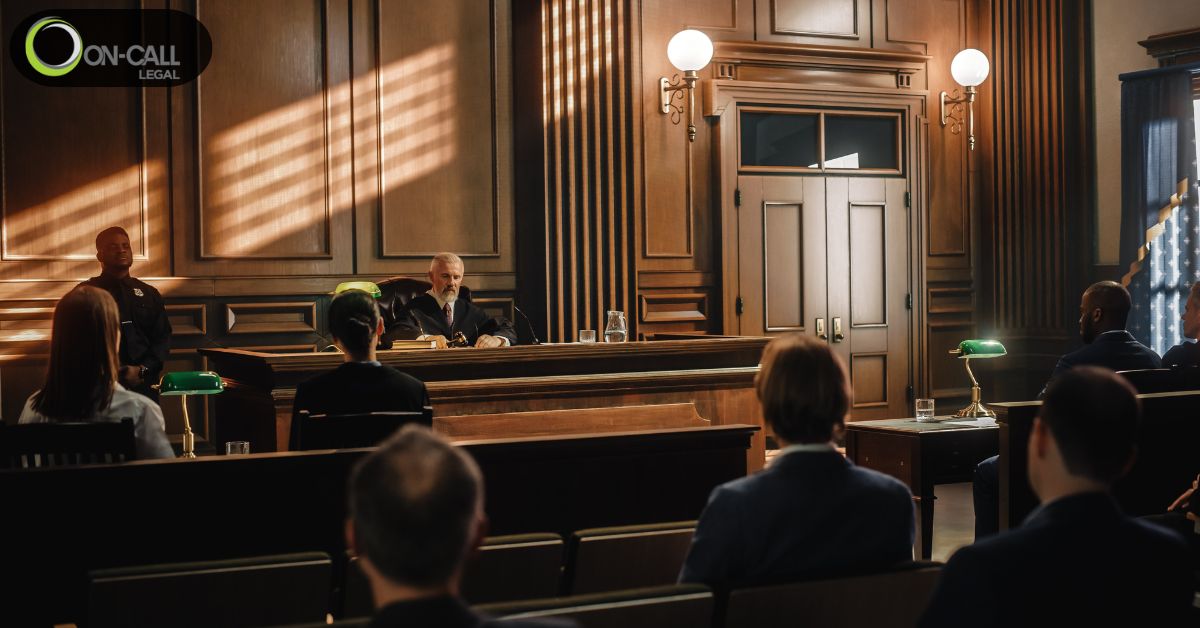
If a subpoena is not served properly, it can have substantial negative consequences for the party in the case at hand. Here are some potential consequences:
The Deposition May Be Delayed or Canceled:
If the subpoena is not served correctly, the witness may not come, affecting the timetable for depositions and, consequently, the case.
The Case Could Be Dismissed or Weakened:
Negligence in serving a subpoena might demerit a party since valuable details such as a witness’ statement or evidence could be lost, impacting the strength of the case.
The Subpoena May Be Challenged:
Failure to properly serve the subpoena can be contested in court, leading to more legal issues and complications.
Legal Penalties for Non-Compliance May Not Apply:
A subpoena can also be defective, in which case the recipient will not suffer any consequences for not meeting the legal process, thus reducing the effectiveness of enforcement of the legal process.
The Subpoena Must Be Re-Issued and Re-Served:
If the subpoena is re-issued or reserved, this can lead to wasted time and resources because this will cause the process to start over.
However, hiring a professional process server is advised to counteract these challenges. They ensure the service is proper by following the law and legal procedures. This, in turn, minimizes the risk of complications and ensures that the subpoena is valid and enforceable.
Need a Professional Process Server?
Everyone involved in a legal matter must understand and respond appropriately to a deposition subpoena for personal appearance. Understanding the subpoena can significantly impact the outcome of the case, as you will be able to provide accurate and relevant testimony.
If you are facing issues referring to a deposition subpoena, you should seek legal consultation to navigate the complexities of the process. Hire an attorney to prepare you for your testimony, help you understand your rights, and address any concerns.
With On-Call Legal Process Servers, you can rely on our experienced team to ensure your deposition subpoena is served efficiently and professionally. Our experts are here to assist you with the service process and make it as smooth as possible. Book a free consultation with us today to simplify the legal process!


On-demand legal services with arranging services from eFiling to organizing and preparing your subpoena for records and/or personal appearance and much more.