
What Is a Deposition Officer?
Gathering accurate and truthful information is very important for a fair hearing and judgment in any legal case, and depositions are one of the main ways to do that. A deposition allows attorneys to ask witnesses questions under oath before a trial, to help both sides understand the facts and prepare their arguments. But behind every smooth and legally-compliant deposition is a legal professional known as the deposition officer. The deposition officer is responsible for administering the oath, recording the session, managing evidence, and making sure the entire deposition process follows legal procedures.
Our team of experts at On-Call Legal Process Servers offer all-inclusive legal support services including serving as your deposition officer in California. We can help you prepare and serve subpoenas and obtain records as your deposition officers. Our professional process servers are also available to help deliver other legal documents on time and without stress. Schedule a free consultation with us to discuss your needs and guide you throughout the process.
Whether you’re involved in a case or simply learning how the legal system works, this guide will walk you through everything you need to know about deposition officers, including their duties, legal requirements in California, and why their role is so important in the justice system.
What Is a Deposition?

During a deposition, the deponent takes an oath to remain truthful as they answer questions from the participating attorneys. Each side’s attorney has the right to attend and also ask questions for follow-up or cross-examination. The goal of the whole process is to gather information and evidence that is relevant to the case. It also helps to preserve a testimony that might be used later in court, especially if the deponent becomes unavailable later. The legal professional who officially oversees this whole deposition process is known as the deposition officer.
Before a deposition, the participants of the deposition are notified through formal legal documents known as a Notice of Deposition or a Deposition Subpoena. If the deposition is for someone who is already a party in the lawsuit, the attorney serves a Notice of Deposition on all parties involved in the case through a process server. On the other hand, if the deposition involves a person or entity not directly involved in the lawsuit, they’re served a deposition subpoena by a professional photocopier, especially if the requested documents are confidential business records.
What Is a Deposition Officer?
A deposition officer is an individual assigned and authorized to oversee the deposition process. They’re responsible for administering the oaths, handling the documents, and making sure the depositions follow procedural rules. Typically, this role is performed by a certified court reporter or a notary public who officially records testimony provided by witnesses under oath, outside the courtroom setting.
Roles and Responsibilities of a Deposition Officer
Deposition officers play an important role in legal proceedings, particularly in pre-trial discovery processes. Here, we’ve summarized their main roles and responsibilities as follows:
- Administering the Oath – Before the deposition begins, the deposition officer must swear in the witness under penalty of perjury. This is a legal requirement to see to it that all testimony given during the deposition is truthful and can be used in court.
- Recording and Protecting Testimony – The deposition officer is responsible for recording everything that is said during the deposition. They do this through written transcripts, audio recordings, or video recordings (with a videographer present), depending on the situation. The aim is to create a complete and accurate record of the questions asked and the answers given. They’re also responsible for keeping the transcript, exhibits, and recordings secure and confidential until they are provided to the parties involved or filed with the court.
- Managing Exhibits and Evidence – During the deposition, attorneys may present documents or other evidence, called exhibits. The deposition officer is responsible for marking, organizing, and tracking these exhibits. They make sure that each item is properly labeled and can be easily referenced later.
- Enforcing Compliance During Depositions – The officer makes sure that everyone follows the rules of the deposition. This includes making sure that the witness is not coached while testifying, that there are no interruptions, and that the process runs in an orderly manner according to legal procedures.
- Preparing Official Transcripts – After the deposition, the officer prepares a certified transcript if required. The transcript is a written document that includes every word spoken during the deposition. It must be accurate and free from errors because it may be used as evidence in court.
- Witness Instructions – Before questioning begins, the deposition officer explains the process to the witness. It’s their duty to tell the witness to speak clearly, not to interrupt, and to wait for the full question before answering, so that the record is clear and complete.
- Maintaining Impartiality – The deposition officer must remain neutral and not take sides. They are not allowed to give legal advice, show favoritism, or influence the testimony in any way. Their role is to observe and record, not to participate in the legal arguments.
- Resolving Procedural Issues – If technical problems arise, such as audio issues or disruptions during a remote deposition, the officer is expected to resolve them quickly. They must also address procedural mistakes, like a missing exhibit label or an unclear statement, to avoid errors in the record.
- Certifying the Deposition – Finally, the deposition officer must certify that the record is accurate and complete. They are to sign an affidavit stating that they were present, administered the oath, and properly recorded the testimony. This affidavit makes the deposition an official legal document.
Who Can Serve as a Deposition Officer in California?

In California, a deposition officer can be a certified court reporter, notary public, or anyone authorized by the court. The most common deposition officers in California are licensed Certified Shorthand Reporters (CSRs). To qualify, CSRs must hold a current license issued by the Court Reporters Board of California. In some cases, if all parties agree in writing, they may select someone else to render deposition officer services, as long as that person meets certain legal requirements outlined in the California Code of Civil Procedure (CCP § 2025.320) as follows:
- The deposition officer must be neutral and shall not have any financial interest in the case
- They must not be a relative or employee of any attorney of the parties, or of any of the parties.
- They cannot share notes or comments about how witnesses, attorneys, or parties act during a deposition.
- They cannot collect or sell personal information about the witness to any party or third party involved in the case.
- If requested, all services and products provided by the deposition officer must be recorded in the deposition record. Unrepresented parties must be informed that they have the right to request this information.
- Note that an attorney can be a deposition officer in California if they meet the criteria discussed above.
Why Deposition Officers Are Important in Legal Proceedings
Deposition officers are important in legal proceedings because they make sure that depositions are conducted lawfully, accurately, and fairly. They contribute to the integrity of the legal process by providing a reliable record of witness testimony given under oath. This helps attorneys gather trustworthy evidence for their legal matters. The deposition transcript becomes an official legal document that can be used in court to support arguments, challenge testimony, or impeach a witness if their story changes
Their presence helps ascertain that all legal requirements and rules of civil procedure are followed during the deposition, preventing improper conduct or procedural errors that could affect the outcome of the case. By doing so, they help protect the rights of all parties involved. They also certify the transcript and any recordings, confirming their accuracy and reliability, and making the deposition admissible as evidence in trial or pre-trial motions.
How a Deposition Officer Differs From a Court Reporter
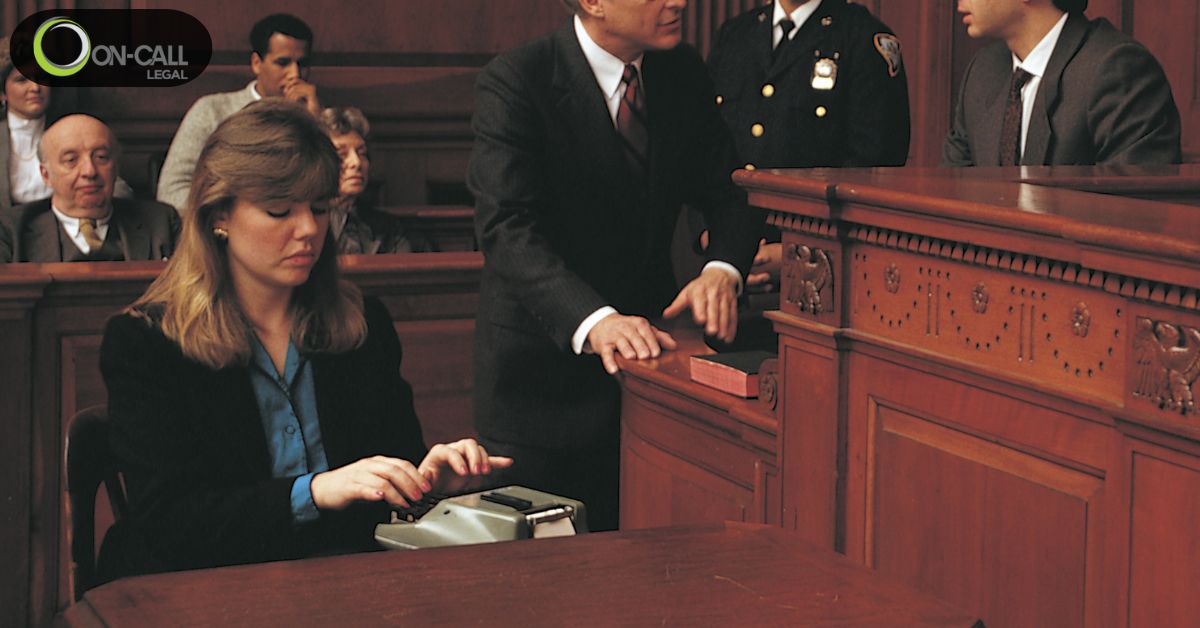
In many cases, especially in California, the deposition officer and court reporter can be the same person. However, their defined roles may differ in various ways. Here’s a summary of the notable differences:
1. Role and Legal Authority
The primary role of a deposition officer is to make sure that the deposition process is done according to the court rules and that the record is officially certified. On the other hand, a court reporter’s job is to produce accurate and complete transcripts of legal proceedings, including depositions, court hearings, and trials. Court reporters usually transcribe spoken words into written form using specialized equipment, such as a stenotype machine.
2. Legal Designation in California
In California, a Certified Shorthand Reporter (CSR) is often appointed as both the court reporter and the deposition officer in a deposition. However, the legal authority to administer oaths and certify the record comes from the deposition officer role, not just from being a court reporter.
Need a Reliable Deposition Officer for Your Case?
Deposition officers help protect the integrity of the legal system by providing valid testimony or evidence that can be used in court. By making sure that the deposition process follows proper legal rules, they help attorneys and judges make objective decisions based on accurate information. Beyond collecting the testimonies, they also help preserve them via audio or video recordings for future reference.
If you’re preparing for a deposition, the best thing to do is to make sure your deposition officer is qualified and authorized to offer deposition services. And that’s exactly what On-Call Legal Process Servers provide for you. Our deposition officers have a proper understanding of California’s Code of Civil Procedure and will attend to your legal needs within 24 hours. Contact us today for a seamless deposition service.


On-demand legal services with arranging services from eFiling to organizing and preparing your subpoena for records and/or personal appearance and much more.