
Do You Need a License to Be a Process Server?
A process server’s main job is to deliver legal documents such as subpoenas, summons, complaints, and other legal notices to parties involved in a legal proceeding. Because this role needs legal compliance, some jurisdictions require individuals to meet certain qualifications, such as obtaining a license, before they can serve documents legally.
So, do you need a license to be a process server? It depends on the state where you serve process. While some states like Texas, California, and Arizona enforce strict licensing or registration requirements, others like Idaho and Kentucky do not. Meanwhile, serving papers without a license where it is required can affect your case and land you in legal trouble. That’s why it’s important to understand and follow the laws of service of process in your jurisdiction.
With over 16 years of experience, On-Call Legal Process Servers are the most reliable licensed process servers for all services of process in California and nationwide. Our experienced process servers are always available to help you deliver your court documents safely and smoothly anywhere in the country. Schedule a free consultation with us to discuss your needs and guide you throughout the process.
In this blog, we’ll discuss which states require a process server license, how to apply for one, what happens if you serve without a license, and the potential penalties involved. We’ll also answer common FAQ about process server licensing so you understand what it takes and how they operate.
Is a License Always Required to Be a Process Server?

No, a license is not always required to be a process server. Whether you need a license to be a process server depends on the state in which you intend to work. Some states, like Texas, have strict licensing or registration rules, while others, like California, have minimal formal requirements.
Since the requirements can vary widely from one state or even one county to another, it’s important to check the specific rules in your area. Local courts or county clerk offices usually provide the most accurate and up-to-date information. Following the correct legal process helps make sure that your service is legally valid and accepted by the court.
States That Require a License to Be a Process Server
As mentioned earlier, some states in the U.S. require process servers to be licensed to operate. Some require a state-wide license, while others may require licensing or registration at the county or city level. Examples of such states include the following:
- Texas requires statewide certification through the Judicial Branch Certification Commission (JBCC).
- California requires process servers to be registered and bonded in their county of operation.
- Nevada licensing is handled by the Nevada Private Investigators Licensing Board (PILB).
- Oklahoma requires a license through the county court system, according to the Oklahoma Statutes of Civil Procedure.
- Washington requires process servers to register with the auditor of the county where the process server resides. For instance, process servers in Snohomish County can register through the Snohomish County website.
- Arizona requires a license issued by the Superior Court in the applicant’s county of residence, according to the guidelines set by the Arizona Supreme Court.
- New York City requires a specific license from the NYC Department of Consumer and Worker Protection (DCWP), even though New York State does not.
Each of these jurisdictions has specific rules, forms, and procedures for obtaining a license. The common procedures usually include submitting fingerprints, passing an exam or background check, and paying licensing fees. It’s best to always consult the relevant agency or court in your jurisdiction for the most accurate, up-to-date information.
States That Don’t Require a License to be a Process Server
Unlike the states mentioned above, several states in the U.S. do not require a license, either at the state or county level, for process servers. In these states, as long as you meet the basic qualifications – usually being at least 18 years old and not a party to the case – you can legally serve documents without going through a formal licensing or registration process.
Examples of states that do not require a license include:
- Idaho
- Kentucky
- Missouri
- Pennsylvania
- Wisconsin
- Wyoming
- New Mexico
Note that even though licensing isn’t required in these states, process servers must still follow all the process serving laws in their jurisdiction. This helps make sure that the service is valid and enforceable in court. It’s also a good idea to check with your local court or county clerk, as some areas may have additional guidelines or preferences for proper service.
How to Apply for a Process Server License

To apply for a process server license, you’ll usually need to go through a formal process as is applicable in your jurisdiction. The process is designed to verify your qualifications and confirm that you understand the legal responsibilities involved in delivering legal documents. Although the specific rules and steps may vary by state or county, most licensing procedures involve the following steps:
- Confirm eligibility requirements – Most states require potential process servers to be at least 18 years old, legally residing in the U.S., and free of felony convictions. You can check with your state’s department of consumer affairs or county clerk’s office to confirm the requirements.
- Complete a training course if required – Some jurisdictions also require the completion of a certified course covering civil procedure, legal ethics, and service rules.
- Pass a written exam if required – In some states, like Texas or Oklahoma, you must pass an exam to demonstrate your understanding of the law and duties of a process server.
- Submit an application – Apply through the appropriate agency, such as a state licensing board or local court. The application may include your proof of completed training, exam results, and other required documentation.
- Undergo a background check and fingerprinting – This step helps verify your criminal history and is a common requirement across most licensing states.
- Pay required fees – Licensing fees vary by location and may include both application and fingerprinting costs. For instance, the licensing fee for process servers in Oklahoma is $150.
- Post a bond or obtain insurance – Some areas require a surety bond or cash deposit, usually between $2,000 and $10,000, or proof of liability coverage as part of the licensing process.
- Receive your license and renew as needed – Once approved, your license will be issued and must be renewed periodically. The renewal process and cost vary from state to state, but are generally required every 1 to 3 years, depending on the jurisdiction.
Are There Different Types of Process Server Licenses?
Technically, we can say both yes and no, and here’s why. Unlike driver’s licenses, process server licenses typically don’t come in different types or classes. However, some states differentiate licenses based on job role or type of process server, and scope of authority.
For instance, New York City has specific requirements for a process server individual license through the NYC Department of Consumer and Worker Protection. This type of license applies to individuals who serve process five (5) or more times in one year.
As specified on the NYC department’s website, you don’t need an individual license if you’re an attorney practicing in New York State, or an employee of a city, state, or federal department or agency acting within the scope of your employment.
Some states may also require a distinct procedure for process serving agency licensing. This type is for businesses that are registered to serve legal documents as a private business service. Their regular clients include individuals, attorneys, law firms, and other organizations involved in court proceedings. Meanwhile, there can also be specialized process server licensing for private investigators or private detective agencies who are also authorized to serve legal papers as special process servers.
Classifying by scope, you may find license distinctions such as statewide or county licenses. The scope determines where the licensed process server has the legal authority to operate. For example, registered process servers in California can serve statewide even though the license registration is done at the county level.
In summary, there aren’t multiple formal “types” of licenses in most places. However, the jurisdiction, scope of authority, and job role (e.g., private investigator vs. special process server) can create practical differences in what your license allows you to do. It’s best to always check with your local licensing authority to understand how it works in your jurisdiction.
How Long Does It Take to Get a Process Server License?
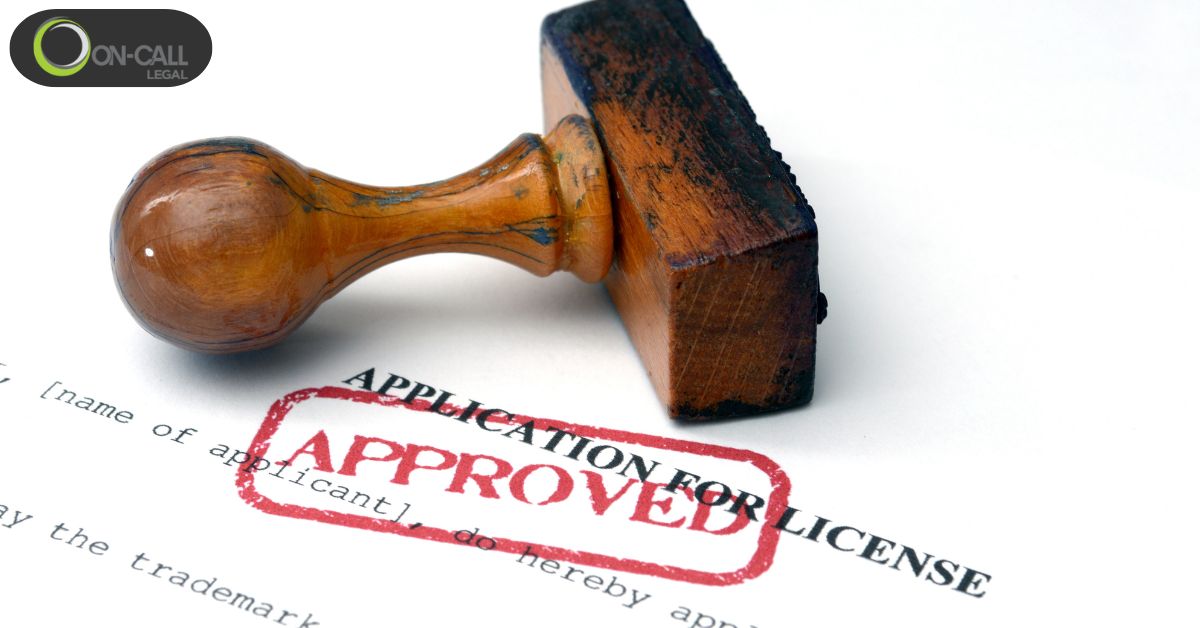
Generally, it can take from a few weeks to a couple of months to get a process server license. The exact timeframe depends on your state or county’s specific requirements and procedure.
If your jurisdiction requires a training course and exam, you’ll need time to complete those steps first. This may take several days to a few weeks, depending on the course format and schedule. After submitting your application and required documents, there is typically a processing period of 2 to 6 weeks while the licensing authority reviews your information.
Sometimes, delays can occur if there are issues with your background check or if paperwork is incomplete. To speed up the process, it’s best to prepare all necessary documents in advance and follow your local agency’s checklist closely.
What Happens if You Serve Legal Documents Without a License?

Serving legal documents without a license in a state or county that requires one can attract serious legal and professional consequences. The penalties may affect both the outcome of the case and the legal standing of the process server. Some of the consequences include:
- Invalid Service of Process
The court may rule a process service invalid if they discover that the court documents were served by an unlicensed individual where a license is required. This means the legal documents are treated as if they were never delivered, which may delay or halt the legal proceedings altogether. - Case Delays or Dismissal
Improper service can cause serious legal issues for the serving party. It provides a legal ground for the defendant to file a motion to dismiss for insufficient service of process. Consequently, the judge may postpone hearings, mandate the parties to re-serve documents properly, or even dismiss the case entirely. - Fines or Legal Penalties
Acting as a process server without proper authorization can result in monetary fines or misdemeanor charges in some jurisdictions. The goal of these penalties is to deter individuals from bypassing state licensing rules or other laws governing service of process. - Disqualification from Future Licensing
Some licensing boards may deny future applications if they discover that a process server has previously carried out process service without a license. This can affect your ability to work legally in the profession long-term. - Damage to Your Reputation
Being caught serving papers illegally can hurt your credibility with courts, attorneys, and potential clients. Even if you weren’t aware of the licensing requirement, that misunderstanding can signal a lack of professionalism or due diligence.
To avoid these risks, it’s always best to check your local laws and obtain the proper license or registration before serving any legal documents. If you’re the serving party, we recommend that you hire a licensed and certified process server and verify their licensing before you continue with them.
Looking for a Reliable Private Process Server?
Not every state requires a license to serve legal documents, but knowing the rules in your jurisdiction is essential. Licensing helps ensure that process servers understand the law and meet legal standards that protect both parties in a case. Remember that serving court papers without proper authorization can delay cases, lead to legal penalties, or invalidate the service entirely.
If you need trusted, licensed process servers to serve your legal documents correctly and on time, On-Call Legal Process Servers are here to help. We also provide all-inclusive support services, such as obtaining, preparing, serving, and documenting your court papers quickly and accurately. Let us handle your service of process the right way, with speed, reliability, and court-approved precision. Book a free consultation with us today!
FAQ
If you’re thinking about becoming or hiring a process server, you’re likely wondering what it takes, what the job involves, and what rules you’ll need to follow. Below are answers to some of the most common questions people ask about licensing for process servers.
Can Anybody Be a Process Server?
No, not just anyone can become a process server. The legal system in each jurisdiction usually specifies who can be a process server in that jurisdiction and the requirements they must fulfill. And as discussed in this blog, some states require licensing or registration at the state or county level.
What Qualifications Does a Registered Process Server Need?
Qualifications vary by location and jurisdiction. Generally, a process server must be at least 18 years old, legally eligible to work in the U.S., and not a party to the case. Other criteria may include a clean criminal record, completion of a training course, and sometimes passing a written test. Many states also require registration, fingerprinting, and a surety bond.
How Much Does a Process Server Make in CA?
In California, process servers typically earn between $20 – $75 per job, depending on the complexity and location. Experienced or high-volume servers can earn a steady income, with full-time professionals making $40,000 – $70,000+ per year.
What Can’t Process Servers Do?
Process servers cannot break the law to serve original process. This includes trespassing, using threats or force, pretending to be law enforcement, or serving someone at inappropriate times, like late at night. You can learn more on our detailed blog on what is a process server allowed to do.
What Are Process Server Training Programs?
Training programs teach the legal procedures, ethics, and rules of service required for process servers. These programs may be offered online or in person and are sometimes mandatory for licensing or certification to ensure legal compliance.
How Much Does It Cost to Become a Process Server?
Costs can range from $100 to $500 or more, depending on your state’s requirements. This may include application fees, training courses, fingerprinting, background checks, and a surety bond if required.


On-demand legal services with arranging services from eFiling to organizing and preparing your subpoena for records and/or personal appearance and much more.