
Affidavit of Process Server
A service of process must comply with all relevant legal requirements to be considered valid. Apart from that, the process server must be able to provide proof of service to confirm that they delivered the documents in accordance with the law. Sometimes, the process server would have to swear the proof statement under oath and notarize it to make it formal and authentic. This sworn statement of proof of service is known as an affidavit of process service.
Without an affidavit of service, it may be difficult to verify that the process server successfully served the intended recipient following the legal requirements accurately. That means that the served party may find legal grounds to dispute the validity of the process service if the affidavit is not accepted or not provided at all. Hence, you need to be sure that your affidavit of service is prepared and filed accurately, and the best way to make sure of this is to hire a professional process server.
With over 16 years of experience, On-Call Legal Process Servers understand all the rules and requirements for services of process, including preparing and filing an affidavit of process service. Our experienced process servers are always available to help you deliver your court documents to the right person anywhere in the country and also provide a valid proof of service. Schedule a free consultation with us to discuss your needs and guide you throughout the process.
In this comprehensive guide, you’ll learn what an affidavit of service is, why you need it, the relevant information it should include, how to prepare affidavit of service, and much more.
Who Is a Process Server?

A process server is a professional who delivers legal documents to individuals involved in court proceedings. Their primary role is to ensure that parties are notified of legal actions against them in a timely and legally compliant manner. This notification process helps maintain the integrity of the judicial system, making sure that all parties have an opportunity to respond to legal actions.
Process servers deliver legal documents such as court orders, summonses, subpoenas, complaints, and writs, to defendants or respondents. To ensure proper service of service, process servers must fulfill strict legal requirements, including deadlines and methods of delivery, to be sure they comply with state and federal laws. They also maintain detailed records of all attempts and methods used to serve documents, including dates, times, and outcomes.
After delivering these documents, the process server must file proof of service with the court to confirm that they have delivered the documents. This often involves submitting affidavits or other forms of documentation. In some cases, process servers may be required to testify in court about the service of process. Additionally, process servers also help locate people who are difficult to serve through a process known as skip tracing.
Legal Requirements and Qualifications in California
To qualify as a process server in California, you must be at least 18 years old and living in the state. You must also have a clean criminal record, specifically with no felony convictions. Process servers must also register with the county clerk’s office in the county where they reside or have their principal place of business if they serve more than ten legal documents annually. The registration process includes undergoing a background check, which involves fingerprinting. Additionally, process servers must post a $2,000 surety bond or cash deposit with the county clerk. They are also required to carry identification while serving papers and present it upon request.
What Is an Affidavit of Process Server?
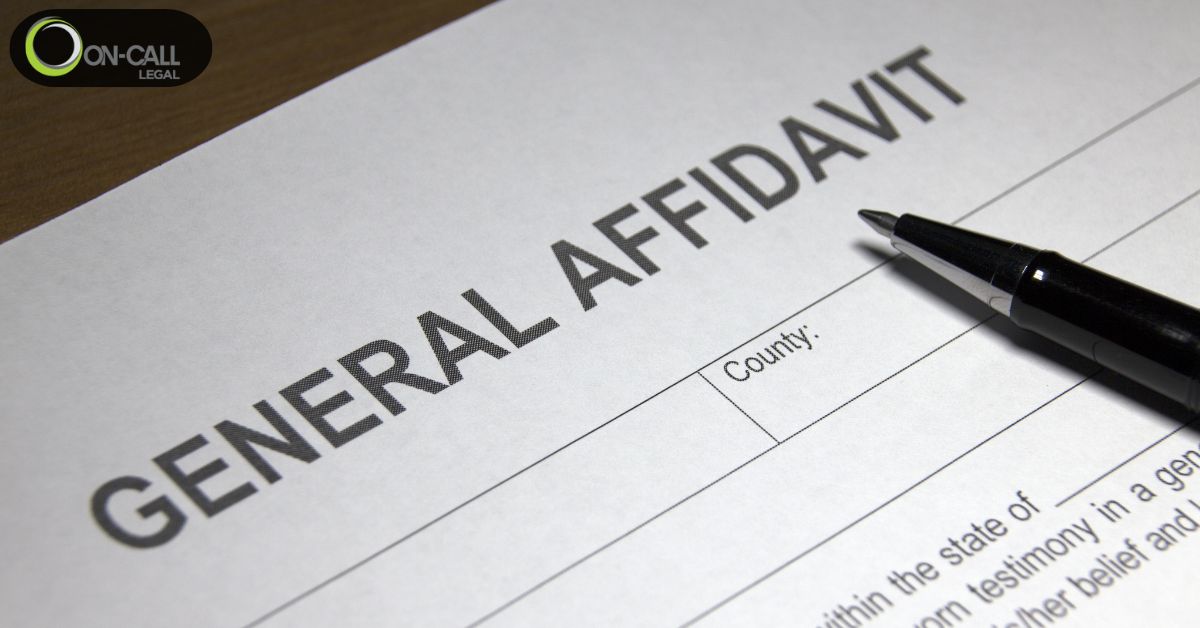
An Affidavit of Process Server is a sworn statement that a process server makes to confirm that they have delivered legal documents to the intended recipient. It serves as proof that the process server complied with the relevant legal requirements while carrying out their duty. The affidavit contains the time, date, location, and method of service.
Why Do You Need an Affidavit of Process Service?
You need an affidavit because it serves as verifiable evidence that you’ve served court documents following due process. In case there is a dispute over whether the legal documents were served, the affidavit serves as evidence that the process server fulfilled their duty. It can be used in court to validate that proper procedures were followed. Since affidavits serve as proof of service, the defendant cannot claim they were unaware of the legal proceedings.
Considering how important proper service of process is, it makes sense to let a professional process server deliver your court papers because they understand the legal requirements and procedures involved in serving documents and preparing affidavits. With an experienced process server like On-Call Legal Process Servers, you are less likely to make mistakes that could jeopardize the case, making sure that the service is conducted properly and documented accurately.
Legal Consequences of Inaccurate Affidavits
Without an affidavit, there is no official record that the documents were delivered, and a lack of proof of service can cause serious legal consequences. If an affidavit is inaccurate or missing, the court may reject the service and require the server to repeat the process. This not only causes delays that prolong the case, but it also incurs extra costs for re-service.
Furthermore, failing to properly document the service of process can violate the due process rights of the involved parties, potentially leading to the dismissal of the case. Additionally, inaccurate affidavits can lead to legal sanctions against the process server or the party that hired them. To avoid these consequences, the best thing to do is to hire a professional process server who is experienced in preparing affidavits of service.
Different Types of Affidavits
There are various types of affidavits, depending on the method of process service used. You need to understand these different types of affidavits of process service to be sure that you carry out legal processes correctly and document them accurately. The most common types include the following:
- Affidavit of personal service is the most common type of affidavit used where the process server personally hands the legal documents to the recipient. It details the time, date, and location of the service, as well as a description of the individual personally served to confirm their identity. Affidavit of personal service is mostly preferred because it directly demonstrates that the recipient received the documents.
- Affidavit of substituted service is used when the legal documents are delivered to someone on behalf of the defendant, such as a family member or co-worker, at the recipient’s residence or place of employment. The affidavit will specify the relationship of the person served to the defendant and confirm that reasonable efforts were made to serve the defendant directly before deciding to use substituted service.
- Affidavit of service by mail is used in some cases where the legal documents are served via certified mail. It includes details of the mailing, such as the date it was sent, the address it was sent to, and any return receipt or tracking information. It verifies that the documents were sent to the correct address and received by the intended recipient or a household member.
- Affidavit of service by publication: When the recipient cannot be located after diligent efforts, the court may permit service by publication. This involves publishing the notice in a designated newspaper for a specified period. The affidavit will outline the steps taken to locate the defendant, the dates and publications where the notice was published, and any responses received.
- Affidavit of attempted service documents all attempts made to serve the recipient when service has not been successful. It includes detailed records of each attempt, such as dates, times, addresses visited, and any interactions with individuals at those locations. You need this affidavit to demonstrate due diligence and may support a request for alternative service methods.
- Affidavit of military service certifies whether the intended recipient is in active military service, which can impact the proceedings due to protections afforded to military personnel under the Servicemembers Civil Relief Act (SCRA). This affidavit ensures that the server complies with legal requirements related to serving military members.
- Affidavit of service on a corporation applies when serving a business entity. It confirms that the legal documents were delivered to an authorized representative of the corporation, such as a registered agent, officer, or employee. It includes the name and title of the person served, as well as the time, date, and place of service.
What Information Must Be Included in an Affidavit of Service?

There are specific details you must capture in an affidavit of process service form to make sure that the service of process is properly documented, valid, transparent, verifiable, and legally compliant. The following information is typically required:
- The full name, address, and contact information of the intended recipient to establish their identity. If the documents were handed to someone other than the intended recipient (e.g., a family member or coworker), the affidavit should state this and describe the person’s relationship to the recipient.
- The exact date and time when the documents were served to verify that the service was carried out within the required time frame set by the court.
- The specific address where the documents were served, including the street address, city, and state. For substituted or workplace service, additional details about the location, such as the type of building or specific department, should be included.
- Physical description of the person served, including age, gender, height, weight, and any distinguishing features, to verify that the correct individual was served.
- A detailed list of the legal documents that were served, including the title of each document to clarify what was delivered to the recipient.
- A description of how the documents were served (e.g., personal service, substituted service, service by mail), including any specific steps taken to deliver the documents according to legal requirements.
- A statement affirming that the process server is over 18 years old, a resident of the state, and not a party to the legal action, to confirm the process server’s eligibility to serve legal documents.
- The signature of the process server and the date when the affidavit was completed, to formalize the affidavit and provide a verifiable record.
- Depending on jurisdictional requirements, the affidavit may need to be notarized or acknowledged by a court clerk to confirm its authenticity.
Legal Requirements for an Affidavit of Process Service
To be considered valid and effective in court, an affidavit of process service must meet specific legal requirements. These requirements ascertain that the service of legal documents is properly documented and can withstand judicial scrutiny.
First, the affidavit must be a sworn statement made under oath. In other words, the process server must swear to the truthfulness and accuracy of the information contained in the affidavit before a notary public or other authorized official.
Secondly, the affidavit must include the full name, address, and contact information of the process server. The idea is to identify the individual who served the legal papers and allow for verification of their credentials. The affidavit must also include a detailed list of the legal documents that were served so that the court is aware of what specific documents were delivered to the recipient.
Furthermore, the affidavit must describe the method used to serve the documents (e.g., personal service, substituted service, service by mail). If applicable, the affidavit should detail any attempts made to serve the documents if the initial service was unsuccessful to show due diligence in trying to complete the service. Additionally, the affidavit must provide detailed information about the service, including the date, time, and exact location where the documents were served. That way, the server can establish that the service was performed within the required timeframe and at the correct place.
Moreover, the process server must affirm that they are at least 18 years old and not a party to the case. This requirement makes sure that the server is legally eligible to serve documents and has no conflict of interest. The affidavit must be signed and dated by the process server to affirm the truthfulness of the information and provide a verifiable record of the service. Depending on the jurisdiction, the affidavit may need to be notarized by a notary public or certified by a court clerk as an additional layer of authenticity and to make sure that the affidavit is legally binding.
Who Can Sign the Affidavit of Service?

The process server who served the legal document signs the affidavit of service. The aim here is to make sure that the affidavit provides an accurate and truthful account of the service process. In some cases where legal documents are served by a sheriff or other law enforcement officer, these individuals are authorized to sign the affidavit. In some jurisdictions, licensed private investigators who carry out service of process as part of their investigative duties can sign the affidavit. Licensed investigators come into play when the recipient is difficult to locate or when the case requires specialized skills.
In some situations, attorneys or their legal assistants may serve legal documents and sign the affidavit of service. However, this is less common and typically occurs in specific legal contexts or jurisdictions where the law permits such practice. Additionally, courts can appoint special process servers for specific cases, especially when serving documents in sensitive or complex legal matters. These court-appointed individuals are authorized to sign the affidavit upon completing the service.
When legal documents are served via certified mail, the individual responsible for mailing the documents (such as a postal worker or authorized mail carrier) may be required to provide proof of service. In such cases, the person handling the mailing may sign a corresponding affidavit or certificate of mailing.
Preparing an Affidavit of Service
It’s always better to understand how to prepare an affidavit of service in advance to avoid an invalid affidavit, which may result in improper service of process. Here, we’ve provided a comprehensive guide on how to prepare an affidavit of service.
Start by gathering relevant information related to the service of the legal documents. Include the names of the parties involved, the type of documents served, and the specifics of the service attempt. Then, clearly state the full name, address, and contact information of the person who performed the service. Include a statement affirming that the process server is over 18 years old and not a party to the case, ensuring their eligibility.
Furthermore, provide a detailed account of how the service was carried out, including the method of service, date and time, and location. If the documents were handed directly to the recipient, include a physical description of the individual served. Then, list all the legal documents that were served. Be specific and include the titles of each document, such as summons, complaints, subpoenas, or orders.
If you made multiple attempts to serve the documents, provide a detailed account of each service attempt. Include dates, times, locations, and any interactions or observations made during these attempts. Afterwards, sign the affidavit to affirm that the information provided is true and accurate to the best of your knowledge. This signature is a legal affirmation that can be used in a legal proceeding, and you should sign the document in front of a notary public or a court clerk, who will then add their official seal or stamp to notarize it.
When the affidavit is ready, it must be filed with the appropriate court. This filing serves as official proof that the legal documents were served according to the legal requirements. It’s recommended to retain copies of the affidavit of service for your records. Both the process server and the party requesting the service should keep copies in case they are needed for future reference or court proceedings.
What Is the Difference Between a Certificate of Service and an Affidavit of Service?

Both Certificate of service and Affidavit of Service are documents that confirm that a process server has delivered legal documents to the appropriate recipient. However, they differ in use, formality, and legal requirements.
A Certificate of Service is generally less formal than an Affidavit of Service. It is often a signed declaration included at the end of a legal document or filing. The person who served the documents signs the Certificate of Service, but it does not require notarization. It generally carries less weight in court compared to an affidavit because it is not sworn under oath. In terms of use, Certificates of Service are commonly used in civil litigation and other legal proceedings where formal proof of service is required, but the process does not demand the heightened verification of an affidavit.
On the other hand, an affidavit of service is formal and sworn under oath. The process server signs the affidavit in front of a notary public or other authorized official, who then notarizes the document. This adds a layer of legal verification and authenticity. Regarding use, affidavits of service are used in more formal or contentious legal proceedings where there is a higher need for proof to verify that the service of documents was properly conducted. Because it is a sworn statement and is notarized, an Affidavit of Service carries more legal weight in court. It is considered more reliable and is often required in cases where the court needs definitive proof that service was properly executed.
Need a Professional Process Server?
An affidavit of service helps you prove that you served legal papers correctly. If you do not prepare or file it correctly, or submit fraudulent affidavits, the other party may have a legal ground to contest the validity of the service of process, and the court may nullify the service if they win. Therefore, it’s important to hire a professional process server who is experienced in serving court papers and obtaining proof of service.
On-Call Legal Process Servers are the best process servers in Los Angeles, California. You can trust our expert process servers to prepare and file your affidavit of process service in the most accurate manner. We don’t just serve your legal papers; we also provide professional guidance throughout the process. Book a free consultation with us today to get started.


On-demand legal services with arranging services from eFiling to organizing and preparing your subpoena for records and/or personal appearance and much more.