
How to Prepare Exhibits for Trials That Win Cases?
Exhibits are documents, photos, videos, or any physical evidence presented in court cases to support a counsel’s argument. They can go a long way in establishing the facts of a case and influencing the jury’s decision. However, the result you get from your exhibits depends largely on how they are prepared.
To prepare exhibits for trial, you must collect and organize relevant materials, ensuring both their physical and digital accessibility. Moreover, you must practice presentation, file pre-trial motions, and anticipate opposing exhibits beforehand.
On-Call Legal Process Servers specialize in reliable and efficient service of legal documents, no matter the day or time. If you’re facing a legal deadline or need service of process urgently, our experienced team is ready to help. Contact us for a free consultation and secure your safe position with quick and efficient process services!
This post will give you essential and detailed insights into what exhibits are, how to prepare them, and what technologies we can use to get the best results.
The Role of Exhibits in a Trial

The role of exhibits is to provide factual information that helps to prove or disprove claims. Well-prepared exhibits can strongly influence a judge or jury’s perception of a case. Attorneys use these pieces of evidence to simplify arguments, clarify facts, and add credibility to their claims. Generally, eye-appealing exhibits have a psychological impact on the jurors. Therefore, presenting your side of the story in an organized manner will increase the jury’s trust in you.
How Do Professional Process Servers Assist in Trial Preparation?
Process servers are neutral third parties who deliver legal documents like subpoenas or evidence requests to individuals involved in court proceedings. Process servers uphold the judicial principle of due process by notifying all parties and ensuring proper documentation.
Moreover, process servers ensure proper delivery of these items by personally handing them to the intended recipient. They can also leave documents to a responsible person at their residence or workplace as an alternative service.
If all efforts for in-person service fail, the court may allow the process server to serve them electronically via text messages or e-mails. In addition to sending PDFs or secured links of the documents, process servers may also send the party being served a timely reminder note containing the case number and hearing date.
How to Prepare Exhibits for Trial in 4 Steps?
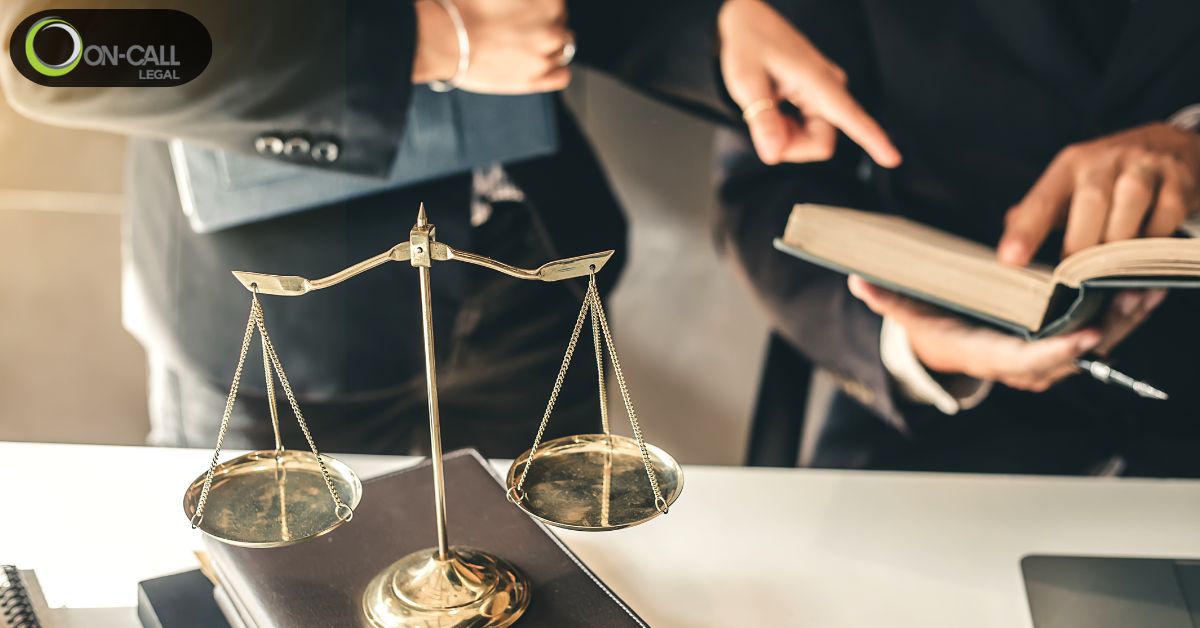
Preparing an exhibit is not a difficult task if you know the proven steps of witness preparation. Below, we have listed 4 steps to help you with your exhibit preparation:
1. Identifying Relevant Exhibits
The preparation of exhibits begins with reviewing your case’s goals and themes. You have to align with the arguments you want to present. Think about what you are trying to prove and how each exhibit supports that goal.
Next, identify key exhibits that strengthen your case. These might include documents, photos, or character evidence that directly support your claims or counter the other side’s narrative.
Also, you must consider the potential exhibits the opposing side might use in the case. Anticipating their evidence allows you to prepare effective counter-arguments or challenge the admissibility of the defendant’s exhibits. For example, if the opposing side plans to submit a report, you might present expert testimony that disputes its findings.
By thoroughly identifying the important exhibits, you set the stage for a compelling argument while staying prepared for any challenges the opposition might present.
2. Collecting and Organizing Exhibits
Now, you must ensure all evidence is legally collected and admissible in the legal proceedings. This may involve legal copy services and collaborating with experts, such as forensic analysts or consultants, to authenticate or analyze complex evidence. Experts will provide valuable insights to reinforce the validity of the exhibit.
Once gathered, exhibits should be organized logically for easy reference during the trial. This can include arranging items in chronological order to tell the story of the case or categorizing them by topic, exhibit number, exhibit list, or theme for clarity. Creating a master exhibit list is quite essential as it provides a quick reference to keep track of all exhibits.
Properly marking exhibits is equally vital for identification. Common methods are labeling items with unique identifiers and itemizing them with numbers or letters in accordance with the court rules. Portions of an exhibit may also be marked with brackets, shading, or underlining. Also, write a short description or note under each item. Furthermore, ensure that a detailed inventory of the exhibit list is kept.
3. Ensuring Compliance with Court Rules
You must follow the court’s specific rules for the effective preparation of exhibits. This includes understanding filing deadlines, such as submitting trial briefs one week before trials. Do have a keen eye on the format and labeling requirements, such as using standard 8.5 x 11-inch paper and following specific margins, font, exhibit number, and spacing guidelines.
Most courts prefer Times New Roman and font size 12. In the same vein, label all items in the exhibit list properly to avoid confusion. This is quite important because exhibits must be exchanged with opposing counsel during pre-trial discovery. Poorly labeled exhibits can give grounds for several objections and may be considered a violation of court rules.
4. Preparing Copies for All Parties
When preparing exhibits for trial, consider both digital and physical copies. Digital exhibits can streamline the process, but they must meet specific standards for storage, authenticity, and reliability as per court requirements. In contrast, hard copies may still be necessary for traditional proceedings or if requested by the court.
Always prepare enough copies for the judge, opposing counsel, and witnesses. To be on the safe side, confirm how many copies the court requires for submission before the trial starts. Some courts may require exhibits in a specific format, such as labeled hard copies or PDF versions of electronic documents.
It’s important to work with digital experts who can verify the evidence’s authenticity and assist the court. Additionally, all copies should be properly labeled and organized to streamline the process and avoid any confusion or delays during the trial.
How to Introduce Exhibits During Trial?

While introducing exhibits during the trial, you must prepare for each exhibit and clearly explain its origin, purpose, and relevance, which can be tricky in many ways. However, tech-enhanced strategies make the exhibits more effective. Here’s a way to successfully introduce exhibits during trials:
Lay the Foundation for Each Exhibit
To prove the significance of your exhibit, you must clearly explain where it came from, what it shows, and why it’s essential to your case. You can do this while examining or cross-examining a witness. Their statements and responses to your questions will serve as the cue to introduce your exhibits and explain their relevance to the case.
Work on Presentation Skills
It’s important to hone your presentation skills to win the jury’s focus and introduce evidence confidently. Whether physical objects or digital, keep all items in your exhibit list organized and accessible to avoid delays.
Follow Proper Protocol for Marking Exhibits
Make sure each exhibit is labeled according to court rules and provide copies to opposing counsel and the court in advance. This step prevents objections and makes the legal exhibit formally acknowledged. We will explain this in detail in the following section.
Use Witness Testimony
You should ask witnesses clear, direct questions about their involvement with the exhibit to confirm its creation and relevance to the case. Finally, use demonstrative exhibits like timelines or charts to provide more clarity and make complex information more accessible.
Creating exhibits is more effective with demonstrative visuals, like timelines, charts, and reconstructions that are clear and easy to understand. Significantly, these visuals depict the complex information in an engaging way, so the jury and other members of the audience can grasp the key points more effectively.
How to Manage Timing and Sequence of Exhibit Presentations
Timing is everything when preparing exhibits for trial, as it plays a crucial role in the presentation. As we’ve mentioned in previous sections, the first thing you should do is to establish the objectives of the legal exhibits you want to present. Having this in mind goes a long way in the sorting and organization of exhibits accordingly to suit the witnesses’ testimonies
Another reason your legal exhibits should be well-sorted is that the jury will examine them during deliberations. Improperly labeled exhibits can be confusing to the jury and could significantly tilt the outcome of deliberations or even lead to a mistrial. A good example of this occurrence is People v. Anderson (2017, New York Court of Appeals).
In this case, one of the materials the prosecution used in their closing argument was a PowerPoint presentation containing seemingly misleading phrasings. The prosecution overlaid strong texts inferring the defendant’s guilt on earlier admitted photograph exhibits. Eventually, the defendant was convicted according to the jury’s verdict.
However, the digital labeling of the exhibits in the summation slides gave the defendant a strong ground for an appeal based on an unfair trial. This and several other cases buttressed the need for proper labeling and classification of exhibits. That said, here are the right sequences for exhibit presentation:
Create a Logical Flow
Two common ways for presenting your trial exhibits are chronological or thematic order. The former means displaying evidence according to the order in which the events occurred, while the latter means sorting them based on their relevance to a particular topic or theme. However, there is a third approach, which is the problem-solution strategy.
This approach involves presenting the argument as a problem using suitable exhibits and building the story gradually until you arrive at what the witness considered the solution. The option to choose depends on the case involved and the argument you want to prove.
Present Your Strongest Legal Exhibit First
Although the jury is expected to stick to facts and be non-sentimental, they are also given to emotions. Your storytelling skills should be properly aligned with the strength of the exhibit. Starting strong captures the jury’s attention and gives the other evidence in your exhibit list a soft landing into the minds of an already receptive audience.
Consider Audience Flow
When preparing trial evidence, always have a contingency plan in case your argument isn’t strong enough to sway the jurors. While it’s important to create a rock-solid plan, it’s expedient to study the jury’s reaction to determine the impact of your presentation. If things are not moving as planned, consider switching the witness order and the ensuing trial exhibits prepared for them.
Manage Timing
In complex trials or high-profile cases, the court often allocates a fixed time for exhibit presentation and witness examination to each party in a process known as the “chess clock” agreement. Once it elapses, the party won’t get any additional time to prove their case.
Even if the chess clock agreement is not implemented in your case, the opposing side will not hesitate to object if you are taking too long to show the relevance of a line of questioning. So you must hit the nail on the head as fast as possible while ensuring that you carry the jury along. Allocate an amount of time for each witness and exhibit presentation, and strive to stick to it.
Use Transitions Thoughtfully
Note that the exhibits on their own don’t make sense. Proper narration is what gives them meaning and directs the jury toward a line of thought. In a bid to save time, don’t present evidence without showing proper context. You must transition from one exhibit to another smoothly and sequentially, establishing the proper relationship between them. This will play a major role in prompting the desired jury reaction.
How to Use Technology to Present Exhibits?
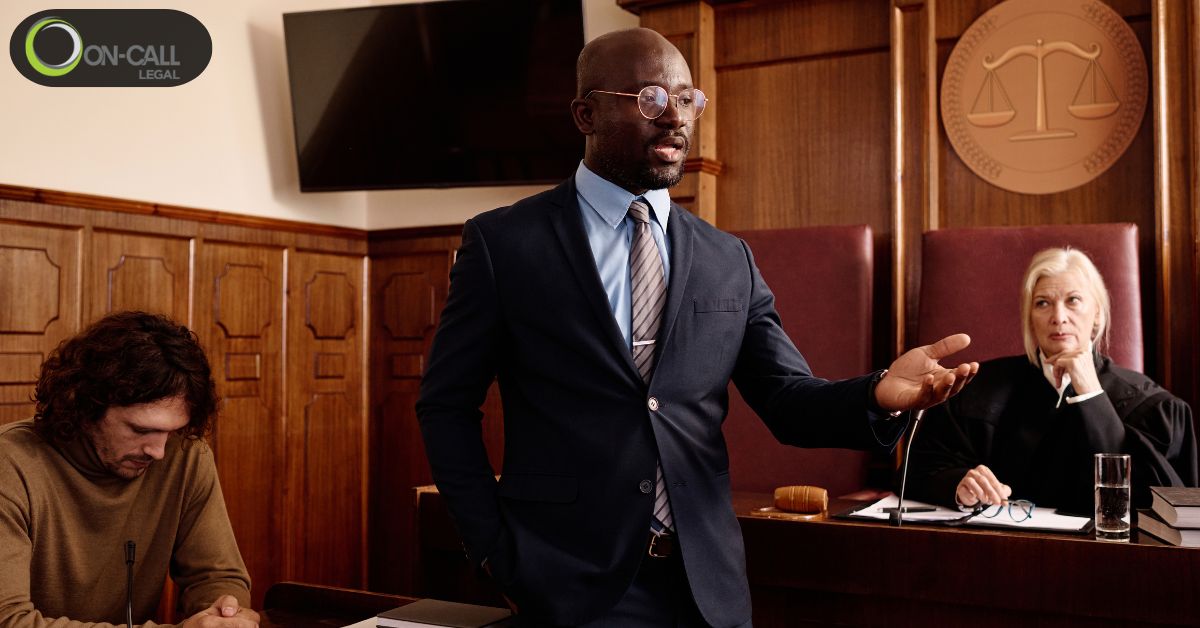
The most obvious application of technology in this context is the emergence of smart digital presentation tools, making it easier to display exhibits in courtrooms in a concise manner. Examples of these tools are TrialDirector and PowerPoint. One of the several reasons TrialDirector is especially popular among attorneys is that it allows you to zoom in on key parts of an exhibit and highlight crucial information.
Best Practices for Digital Exhibits in Courtrooms
You can adapt court-specific technologies and protocols to make your exhibits more compliant, flawless, and impressive. Here are some best practices to do it successfully:
- Test Technology in Advance: Ensure compatibility of digital tools (e.g., TrialDirector, PowerPoint) with courtroom systems to avoid delays.
- Organize Exhibits for Quick Access: Sort digital files logically and label them clearly with an exhibit sticker for easy retrieval.
- Avoid Overloading the Jury: Focus on key points and avoid overwhelming the jury with excessive information.
- Make Exhibits Legible: Ensure all documents, images, and videos are clear and easy to read.
- Use Animation Sparingly: Limit animations in presentations to avoid distractions.
- Back-Up Digital Files: Keep backup copies of digital pieces of evidence to prevent interruptions due to technical failures.
- Use Technology to Supplement Testimony: Digital tools should enhance but not replace the testimonies of witnesses. It helps illustrate key points of testimony.
What Are Some Common Issues That Can Occur When Presenting Exhibits at Trial?
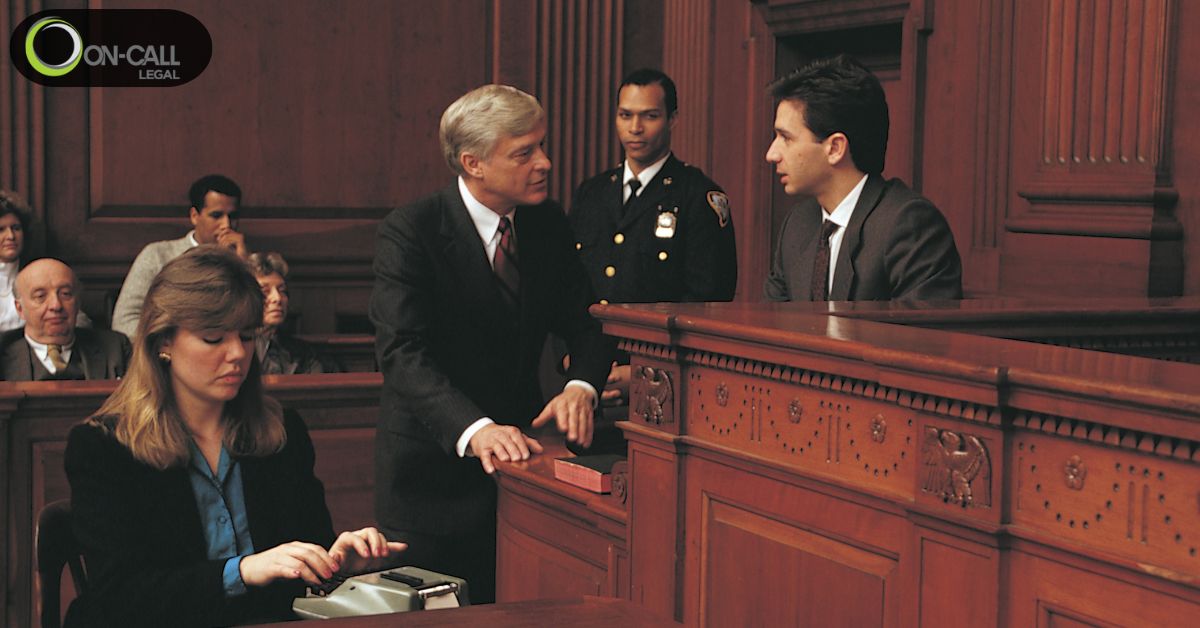
A lot can go wrong during exhibit presentations. The first issue to be wary of is the failure to pre-admit the exhibit into evidence or disclose it during discovery. This is a violation of Rule 26 and Rule 37 of the Federal Rules of Civil Procedure and attracts immediate consequences. The judge may sanction the attorney or exempt the exhibit.
If the exhibit is allowed as evidence, the judge may issue a continuance to allow the opposing party some time to examine it. Before making any decisions, the judge must determine whether the attorney intentionally exempted the exhibit from discovery and how crucial it is for the case. If it is tangible enough to sway the direction of the case, the judge may declare a mistrial.
Another common issue is the failure to lay proper foundations for the presentation of the legal exhibit. Every exhibit must be corroborated by the testimony of a witness. So it’s the responsibility of the attorney to establish a clear relationship between the witness and the evidence and explain why it is important in the case. To avoid this issue, rehearse your argument thoroughly while preparing exhibits for trial. You should also have everything penned down for easy remembrance.
Moreover, poor labeling is a common problem in exhibit presentations. It’s so serious that it can jeopardize your client’s case, confuse the jury, and may even destabilize you. Most significantly, it will attract objections from the other side. Hence, it’s advisable to have your colleagues go through your exhibit list to ensure they are properly labeled in accordance with the local rules of the court.
Another prevalent issue attorneys face during trials is technical failure. PowerPoint slides can malfunction, or even the screens may glitch up. These may be subtle but quite distracting both to you and the jurors. Since many courts in the US have the right technology for the presentation of digital exhibits, you can request to confirm the state of their equipment before the day of the trial. If they are not in the best shape, you may request to come with yours.
Need a Reliable Process Server for Your Exhibit Delivery?
The well-crafted, organized, and research-based exhibit fuels the success of your case in any legal procedure. It all starts with analyzing the core of your case with professionals to maximize the success rate. Then, you can easily identify, collect, and organize the exhibit to present in the court.
On-Call Legal Process Servers have been serving legal documents for multiple years now. We are here to help you with the essential legal matters of process serving until you win. Trust the most efficient process server in California and nationwide for immediate assistance in preparing successful exhibits. Contact us today to stay one step ahead in the legal process!
FAQ
What Are the Standards for the Admissibility of Evidence in Court?
According to Rule 402 of the Federal Rules of Evidence, legal exhibits may be admitted into evidence if they are important to the case. In the same vein, exhibits may be rejected according to the provisions of these three rules.
- Rule 403: exhibits may not be accepted as evidence if they are unfairly prejudicial, confusing, or may constitute a waste of time to the court.
- Rule 404: the rule establishes grounds for the disqualification of character-based evidence drawn from previous crimes with the aim of giving the court a negative inference on the accused’s reputation.
- Rule 802: this rule provides grounds for rejecting a piece of evidence if it’s based on hearsay.
What Is the Difference Between Real Evidence and Demonstrative Evidence?
Real evidence refers to actual digital or physical exhibits involved in a case. On the other hand, demonstrative pieces of evidence are illustrations, simulations, or animations aimed at recreating the setting of the crime. Demonstrative evidence could be used for questioning witnesses and also to help the jury get a mental picture of how a crime possibly occurred.
How Can Changes in Witness Availability or Jury Response Affect Exhibit Presentation?
Every exhibit presentation must be supported by the testimony of a witness. If the witness needed for presenting an exhibit fails to show up in court, you may seek an adjournment. Alternatively, you may continue with other available witnesses and the respective exhibits you prepared for them.
Also, the jury’s response goes a long way in helping you ascertain the strength of your argument. An unfavorable reaction from the jury may require you to change your line of questioning and exhibit presentation.
What Are the Tips for a Smooth Trial Exhibit Process?
You stand a better chance of winning a case if the jury is less critical of the legitimacy of your exhibit list. Hence, some of the important tips to bear in mind for a smooth trial are to practice exhibit presentation early, maintain a comprehensive legal exhibit binder, and create visually engaging, demonstrating exhibits. The goal is to stand prepared, confident, and convincing.


On-demand legal services with arranging services from eFiling to organizing and preparing your subpoena for records and/or personal appearance and much more.