
What Is a Process Server Allowed to Do?
Many people assume process servers are allowed to do whatever it takes to serve legal papers. But that’s not exactly true. While they can use various strategies to legally serve legal documents, there are also certain boundaries they’re not allowed to cross, and some practices that are illegal for them. For process service to be valid, a process server must follow the strict rules that govern service of process and their general conduct in their jurisdiction.
A process server is allowed to serve the recipient in person, attempt service multiple times, use legally approved alternative methods, or use skip tracing to find individuals who are difficult to locate. On the other hand, process servers are NOT allowed to do certain things such as trespassing onto private properties, using threats or physical force, or lying about who they are. Understanding what process servers can and cannot do will help protect your rights if you’re served and help you stay compliant while serving someone else.
With over 16 years of experience, On-Call Legal Process Servers understand all the rules and requirements for services of process in California and nationwide. Our experienced process servers are always available to help you deliver your court documents anywhere in the country. Schedule a free consultation with us to discuss your needs and guide you throughout the process.
In this blog, we’ll break down what process servers can and cannot do. Whether you’re expecting legal papers, serving someone, or just curious about your rights, this guide will help you understand how the process works and how to respond appropriately.
What Is a Process Server?

A process server is a person who serves legal documents to people involved in a legal proceeding. Serving these documents officially informs the recipient about pending legal actions or required court appearances. That way, parties involved in a case have a fair opportunity to respond, participate, or defend themselves, thereby promoting equity, fairness, and transparency in the legal system. The types of legal documents served by a process server include summonses, subpoenas, complaints, writs, restraining orders, divorce papers, and child support papers, among others.
The process server’s role goes beyond delivering court documents. They also perform various administrative duties such as providing proof of service, filing court papers, and preparing legal documents. Process servers also retrieve official documents from courts or other official facilities, especially for attorneys, law firms, or individuals who may not have access to these documents on their own.
What a Process Server Is Not Allowed to Do
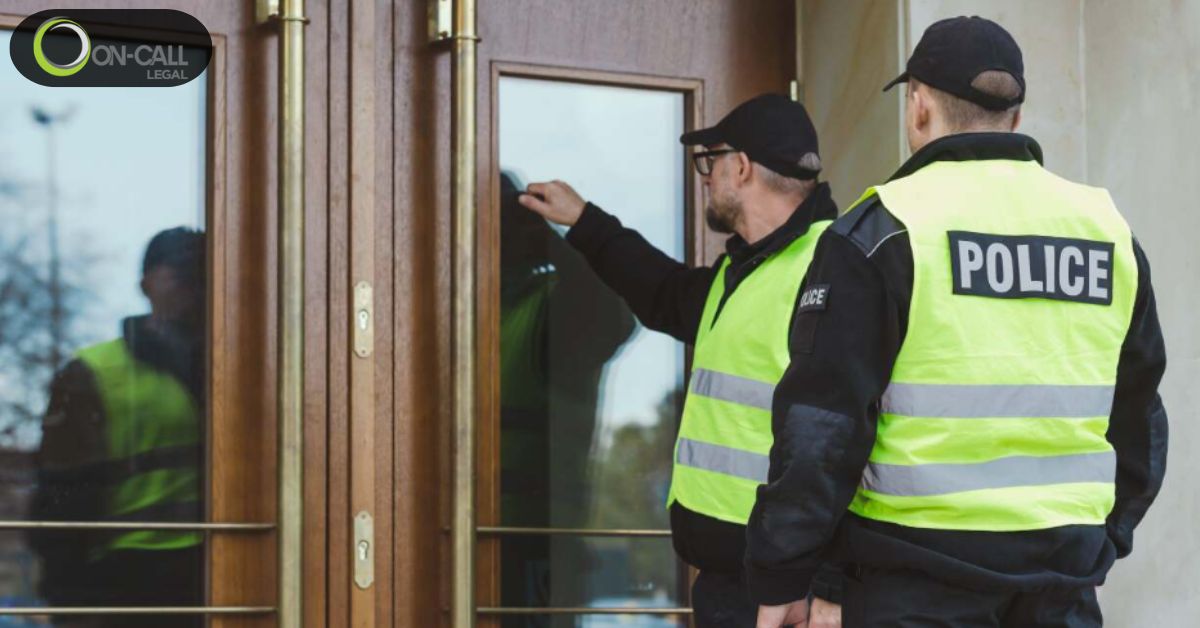
As important as the job of a process server is, there are various things they are not allowed to do to ensure their service of process is lawful and respectful. If they violate any legal rule, the recipient has the right to file a motion to dismiss for insufficient service of process. Let’s look at some of the key things a process server cannot do when performing their duties.
- Trespassing on Private Properties or Boundaries – Process servers are not allowed to trespass on private property. If there are clear signs like “No Trespassing” or locked gates, the process server must respect those boundaries. They cannot jump fences, enter backyards without permission, or go into private spaces where they have no legal right to be. If entry is restricted, they may need to wait for the person to come outside or try to serve them at another location.
- Use of Threats or Physical Force – A process server is not allowed to use threats, intimidation, or physical force to deliver documents. This includes yelling, pushing, or acting aggressively in any way. Their role is to inform someone of a legal action, not to frighten or bully them into accepting paperwork. Trying to threaten or force the recipient to accept papers could render the service invalid or even lead to criminal charges.
- Impersonating Law Enforcement – A process server cannot pretend to be a police officer, law enforcement officer, or any other government official. Instead, they must clearly represent themselves for who they are. Process servers cannot wear a badge, a uniform, or say things that might make someone think they are with law enforcement. This kind of impersonation is illegal in all states and considered a serious offense.
- Harassment or Stalking – Although a process server may make multiple attempts to serve someone, they must do so within reason. They are not allowed to harass or stalk an individual. This means they cannot show up repeatedly at odd hours, follow someone in a threatening way, or use tactics that make a person feel unsafe. Repeated unwanted contact could lead to a harassment claim.
- Lying About the Papers – As a process server, you’re not allowed to lie about what you’re delivering. You cannot say the documents are something else, like a gift or personal letter, to trick someone into taking them. Process servers must be honest that the documents are legal papers related to a lawsuit or court case. Any kind of deception can result in invalid service and damage the credibility of the legal process.
- Intentionally Serving Documents to the Wrong Person – It is the process server’s duty to make sure they deliver the documents to the correct person. They must make a good-faith effort to confirm the identity of the person being served. If a server knowingly hands documents to someone else and pretends it was the intended recipient, that’s considered bad service and could cause serious issues in the case.
- Force Someone to Accept Papers – A process server cannot force anyone to physically take the documents in a personal service. If the individual refuses to accept service, the server may leave the papers near them or at their feet and record the attempt as a valid service. However, they cannot push the papers into someone’s hands, throw the papers at them, or enter their space aggressively just to complete the service.
- Serve at Inappropriate Times – Process servers are generally restricted from delivering documents during certain times, such as late at night, on Sundays, or on holidays, depending on the state’s laws. Many states do not allow process serving before 6:00 AM or after 10:00 PM. For example, the hours a process server can serve you in California are usually between 6am and 10pm. Serving someone at an inappropriate time could be seen as harassment or could result in the service being challenged in court.
What Is a Process Server Allowed to Do?

A process server can do anything legal, respectful, and necessary to properly deliver court documents, as long as it does not involve lying, trespassing, harassment, or breaking the law. What a process server is allowed to do includes the following:
- Deliver Legal Documents – A process server can deliver a variety of legal papers, including summonses, complaints, subpoenas, restraining orders, eviction notices, family law documents, and other court-related documents. This is their main responsibility.
- Serve Individuals in Person – They are allowed to serve papers directly to the person named in the case. In most states, personal service is the preferred and most reliable method of service.
- Serve at Homes, Workplaces, or Public Locations – Process servers can approach people at home, at work, or in public spaces like stores or sidewalks, as long as they don’t break any trespassing or harassment laws in the process.
- Use Substitute Service If Permitted by Law – If the intended person cannot be reached after multiple reasonable attempts, the process server may leave the documents with someone else at their home or workplace. You can read our blog on who can accept service of process on behalf of the intended recipient.
- Conduct Skip Tracing – If a person is difficult to locate, process servers can use legal tools like public records, online databases, and investigative techniques (known as skip tracing) to track them down.
- Document the Service – After delivering the legal documents, process servers are required to complete a proof of service or affidavit of service. This is a written statement they file with the court to confirm how and when the documents were served.
- Attempt Service Multiple Times – They are allowed to make multiple attempts at different times of day and at different locations to complete the service. For example, process servers can serve you at work, try early in the morning, during lunch, or in the evening if the person is hard to reach.
- Record Evidence of Service – In some jurisdictions, process servers may take photos or notes, or use GPS data to prove they were at the correct location. In certain cases, video recordings or surveillance may also be used, but only if they comply with local privacy laws.
Does a Process Server Have to Identify Themselves?

Generally, a process server is not always required to identify themselves upfront. That’s because doing so may cause some recipients to try to evade service. As long as the service is lawful, simply handing over the legal documents can be valid even if they didn’t introduce themselves right away. But while a process server does not have to identify themselves immediately, they must be truthful about their identity if asked. They cannot lie about their identity or pretend to be a law enforcement officer, a postal worker, or a friend of the person being served. That would be considered fraud or impersonation.
If you’re concerned about how to know if a process server is legitimate, you can confirm from state licensing databases, contact the court or law firm they represent, or observe if they follow the correct process server laws. In cases where you notice odd behaviors, such as aggression, vague explanations, or deceptive tactics, it’s best to cross-verify their identity before accepting the papers.
Do Process Servers Call You Before Serving Legal Papers?

Most of the time, process servers do not call you before serving legal documents because they are not required to do so. If someone knows they’re about to be served, they may avoid home, work, or other common locations, making the server’s job harder. To prevent this, most process servers show up unannounced. Their job is to make sure the legal papers are delivered effectively, and they’re allowed to serve documents without any warning.
However, if both parties are cooperating, like in a friendly divorce or a business matter, the process server may call to schedule a time to arrange a convenient service. But this is the exception, not the rule.
Need a Trustworthy Nationwide Professional Process Server?
Process servers serve legal documents to make sure people get proper notice of lawsuits or legal actions involving them. But while they have the authority to serve papers, they also have strict legal limits that protect your rights. They can take legally allowed actions such as coming without notice, using investigative services, or serving in a public place. However, they’re not permitted to trespass, harass, or threaten the recipient. If you believe a process server has acted improperly, consult with an attorney to find out the best course of action to take.
On the other hand, if you’re the serving party, it’s best to hire an experienced process server who understands all the rules of service of process in your jurisdiction. On-Call Legal Process Servers are your go-to experts for all services of process in California and the United States at large. We also offer all-inclusive support services for legal professionals, attorneys, and law firms. Contact us today – let’s discuss how we can help you serve your documents without stress.
FAQs
How Do I Find Out Why a Process Server Is Looking for Me?
You can ask the process server directly what the papers are about. If they won’t say, you can contact the local court to check if there’s a case filed in your name.
What Happens if a Server Can’t Find You?
They may try serving you at different locations or times. If that fails, they can ask the court for permission to use alternative methods like mailing or posting.
Do I Have to Respond to a Process Server?
You don’t have to talk or open the door, but they can still serve you legally. Ignoring them doesn’t stop the legal process.
What Happens if Someone Ignores Being Served?
If you ignore the papers, the case can continue without you. The court may rule against you by default. You can read our blog to find out other penalties for avoiding service of process.
What Tricks Do Process Servers Use?
They might act like a delivery person, dress casually, or wait outside your home or workplace. These tactics are legal as long as they don’t involve lying or breaking the law.
How Many Times Can a Process Server Come to Your House?
There’s no set limit, but they usually make a few attempts at different times. If unsuccessful, they may try another legal method of service.
How Late Can a Process Server Come to Your Home?
Most states don’t allow service late at night, generally not after 8:00 or 10:00 PM. Some states have specific laws about the hours they can serve.
Is It Legal for a Process Server to Take Photos or Video During Service?
Yes, in many states it’s legal if done in a public or legally accessible area. They often do this to prove they were at the right place at the right time.


On-demand legal services with arranging services from eFiling to organizing and preparing your subpoena for records and/or personal appearance and much more.